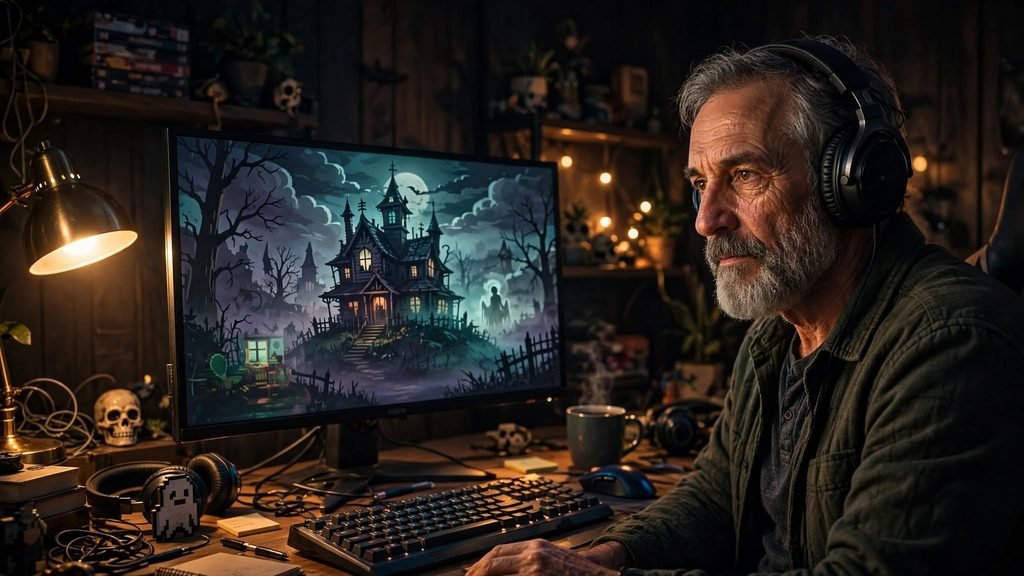
Fictional Content in Adult Games: Why Horror Gamers Should Care About the 2025 Bans
Here’s where it hits me as a horror guy. In Resident Evil I strangle a zombie with my bare hands. In Dead Space I stomp a corpse until it pops to get ammo. In Silent Hill 2, the whole game is about guilt, murder, and sexual frustration. I’ve done things in horror games that would put me in prison for 500 years in real life — and nobody writes an article about it. I put that clip on YouTube, I get monetized. I get a high five.
But the minute that fiction is about sex instead of violence, the shame switch flips. Same console, same controller, same fictional world that never happened — but now we have to have a meeting about it. I’ve seen this exact double standard since 1976. You can show a kid ripping a spine out in Mortal Kombat and people argue “it’s just a game.” You show two fictional adults in a bedroom and suddenly people forget how fiction works.
That’s what Dr. Guardo was getting at with the tag system. In horror, we’ve learned to tag our fiction so people can consent to it. We put “body horror, gore, torture, child death” on the store page so you know what you’re walking into. The consent isn’t between the characters — they’re not real — the consent is between the creator and you, the player. You read the tag, you click buy, or you don’t. Adult games did the same thing. Tags like “fictional, consensual, horror, kink” — paragraphs of them. If you don’t want red bean, you don’t buy red bean. You don’t call Visa to burn down the bakery.
If we say fictional sexual content is too dangerous to be allowed, even when it’s tagged and behind an adult gate, then where does that leave horror? Because my favorite horror games are ALL about things we should never do. That’s the point. It’s a safe place to feel fear, guilt, and yes, even arousal, without hurting anyone. Take away that safe fictional space and you don’t make the world safer — you just make people go somewhere darker where there are no tags at all.
I’m 58, and I’ve been gaming since Pong bounced on a black-and-white TV in my living room in 1975. I’ve lived through every moral panic — Night Trap on the news, Mortal Kombat in front of Congress, Hot Coffee, Manhunt — and I thought we’d settled this. Fiction is fiction. Then I watched this interview with Dr. Ashley Guardo from the NYU Game Center, where she researches how we interact with fiction, and she asked the question I’ve been asking myself: why is there so much animus about fictional content in adult games?
Her answer stuck with me. She said almost every adult on the planet consumes some kind of fictional sexual content, but almost all of us are taught to feel shame about it. And shame, as a sociologist, is how society controls bodies. Religions, politics, work culture — they all tell you how your body should be used to be productive. So when someone spends hours playing a porn game, or a horror game where you do terrible things that you’d never do in real life, it makes people uncomfortable — not because it’s illegal, but because it’s pleasure for pleasure’s sake. And in America, we don’t know what to do with that unless it makes a baby or makes money.
Same promise as last time: I buy my own games, I play them, and I tell you if the tank controls feel right or just clunky.
2026 is the year the kids who grew up on Resident Evil and the grandpas who grew up on Haunted House on Atari 2600 finally meet in the fog.
Your turn — what’s your first survival horror? Was it Adventure on the 2600 in ’79? Alone in the Dark on PC? Resident Evil: Director’s Cut on PS1? Drop it in the comments — I read every one.
Back to Gaming After 50 | Watch the full playthrough on YouTube @58YearOldSpicyGamer